
 Travel for Ghosts
The case of Anneliese Michel is one of the most haunting and controversial instances of alleged demonic possession in modern history. Taking place in 1970s West Germany, it centers around a devout Catholic young woman whose deteriorating mental and physical health led to 67 exorcism sessions over ten months, sanctioned by the Catholic Church.
The table below provides a detailed overview of key facts related to Anneliese Michel’s case.
Case Overview: The Exorcism of Anneliese Michel
| Attribute | Details |
|---|---|
| Full Name | Anneliese Michel |
| Birth/Death | September 21, 1952 – July 1, 1976 |
| Location | Klingenberg am Main, Bavaria, Germany |
| Religion | Roman Catholic |
| Diagnosis | Temporal Lobe Epilepsy, Psychosis |
| Rituals Performed | 67 Catholic Exorcisms (Sept 1975–June 1976) |
| Cause of Death | Malnutrition & Dehydration (Weight: ~30 kg) |
| Legal Outcome | Parents and priests convicted of negligent homicide (1978) |
| Cultural Legacy | Inspired films, debates on mental health vs. possession |
Anneliese Michel’s Background And Early Symptoms

Anneliese Michel during her early childhood in Klingenberg, Germany—years before the onset of the symptoms that would later spark one of the most controversial exorcism cases in modern history.
Childhood and Medical History
Anneliese Michel was born on September 21, 1952, in Bavaria, West Germany, into a devout Roman Catholic family. Throughout her childhood, she was described as a shy and religiously observant girl. At the age of 16, Anneliese began experiencing severe epileptic seizures, later diagnosed as temporal lobe epilepsy—a neurological disorder that can cause intense seizures and sometimes hallucinations.
Escalation of Symptoms Despite Medical Treatment
Despite receiving medical treatment, including anticonvulsant medications, her symptoms worsened over time. Anneliese reported hearing voices and seeing disturbing visions, which her doctors initially attributed to the effects of epilepsy and a possible psychotic disorder. However, these symptoms were interpreted differently by Anneliese and her family, who believed she was suffering from a supernatural affliction rather than purely medical issues.
Demonic Possession vs Mental Illness
Her condition further deteriorated with episodes of extreme agitation, aversion to religious objects, and physical self-harm. These early signs were often confused with behaviors typically associated with demonic possession in religious contexts. This overlap between neurological illness and spiritual belief complicated her diagnosis and treatment, setting the stage for the exorcisms that followed.
The Possession Claims
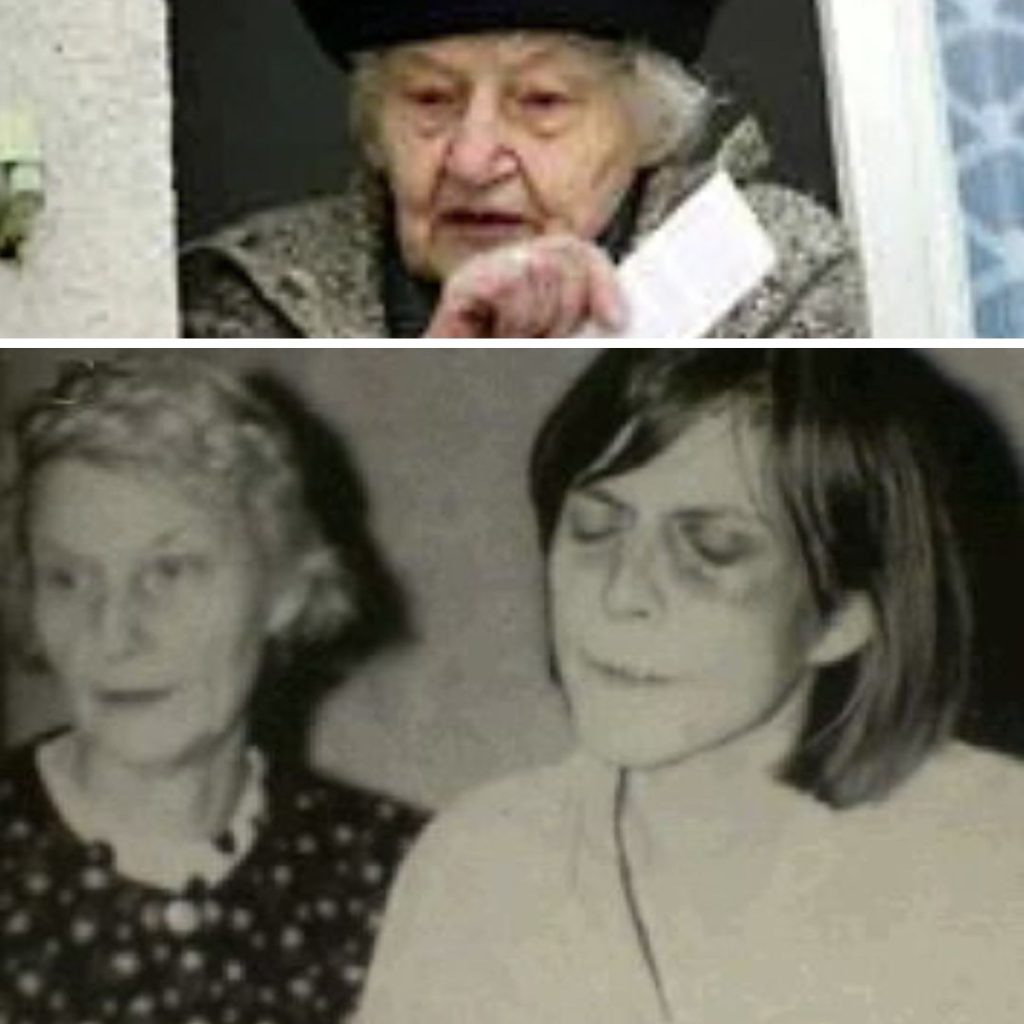
Anna Michel, Anneliese’s mother, remained deeply devoted throughout her daughter’s ordeal, convinced that Anneliese’s suffering was spiritual in nature rather than medical.
As Anneliese Michel’s symptoms worsened, both she and her family became convinced that her condition was not solely medical but involved supernatural forces. Rooted deeply in their Roman Catholic faith, they believed that Anneliese was possessed by multiple demons. This belief shaped their interpretation of her increasingly disturbing behavior.
Demons Named After Famous Historical Characters
During the exorcism sessions, Anneliese reportedly identified several demonic entities inhabiting her body, naming figures such as Lucifer, Judas Iscariot, Adolf Hitler, and Nero. These names reflected the perceived severity and malevolence of the forces tormenting her. She also exhibited aversion and violent reactions to religious objects, including crucifixes, holy water, and statues of saints, which, according to her and the priests, confirmed the presence of evil spirits.
Signs of Demonic Possession
Anneliese described hearing threatening voices, often speaking in languages she did not know, and experienced vivid hallucinations. These phenomena reinforced the conviction of her family and the clergy that she was under demonic influence rather than suffering from a psychiatric disorder.
The combination of religious interpretation, Anneliese’s reported behaviors, and the family’s faith-driven approach ultimately led to the approval of formal exorcisms sanctioned by the local Catholic bishop.
The Exorcism Rites (1975–1976)
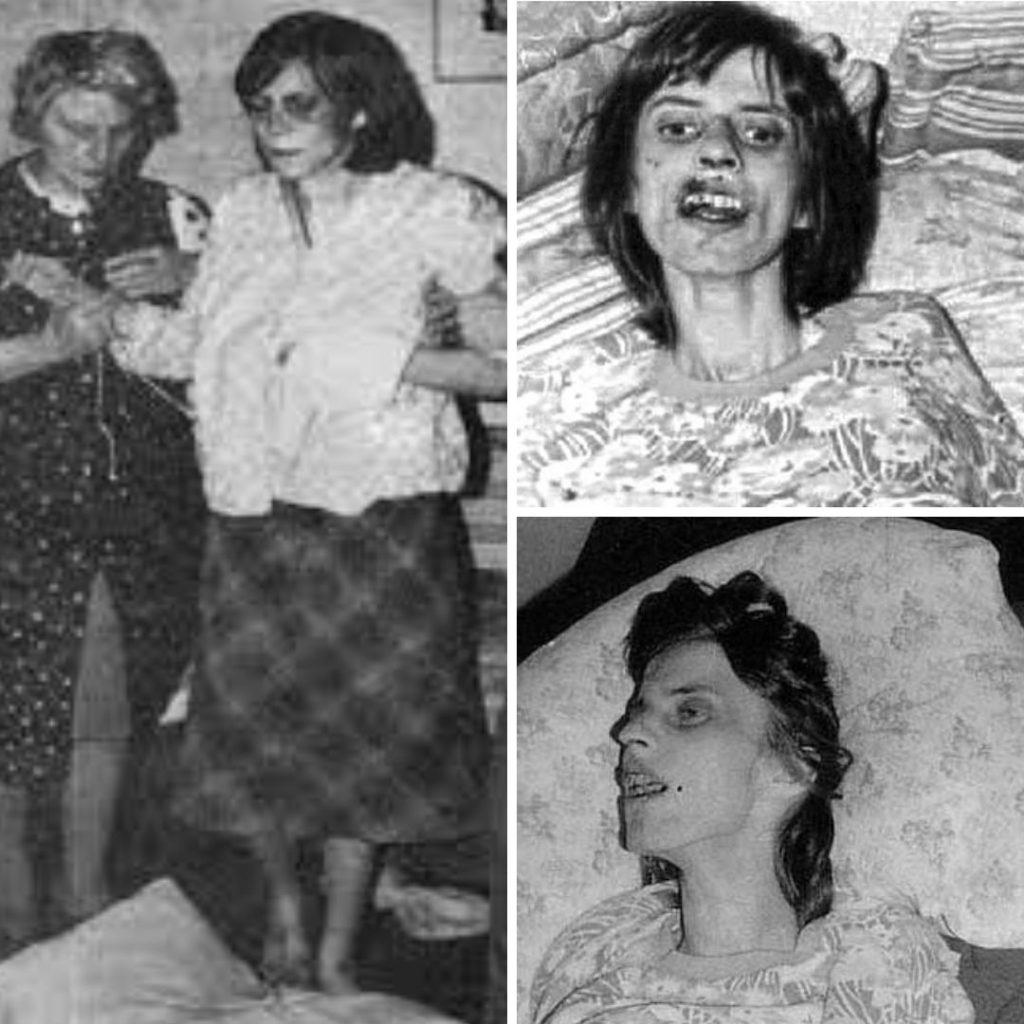
Anneliese Michel during one of the 67 documented exorcism sessions between 1975 and 1976, displaying the physical and emotional distress that became central to the controversy surrounding her case.
Following years of medical treatment with little improvement, Anneliese Michel’s family sought help from the Catholic Church, convinced she was possessed. After careful consideration and multiple evaluations, the local bishop, Josef Stangl, granted official approval for the exorcism rites in 1975. This authorization was significant, as it marked the Church’s rare formal endorsement of a prolonged exorcism.
Father Renz and Father Alt exorcists
Two priests were assigned to conduct the rites: Father Arnold Renz and Father Ernst Alt. Both had experience with exorcisms and were responsible for guiding Anneliese through what would become an intense and exhausting spiritual battle.
67 Exorcism Sessions Recorded
Between 1975 and 1976, Anneliese underwent a total of 67 exorcism sessions, each lasting several hours. Some of these sessions were secretly recorded on audio tapes, providing chilling evidence of her vocal outbursts, contorted body movements, and anguished cries. The recordings reveal a mixture of speaking in strange voices, aggressive behavior, and repeated religious phrases, which the priests interpreted as signs of demonic presence.
Catholic Rituale Romanum Exorcism
During the rites, Anneliese displayed increasingly disturbing behaviors, including self-inflicted injuries, violent convulsions, and extreme aversion to sacred objects. The rituals followed the traditional Catholic Rituale Romanum, a formal set of prayers and commands intended to expel evil spirits.
These sessions placed enormous physical and psychological strain on Anneliese, who refused food and water at times and often appeared in a severely weakened state. The exorcisms continued until her death in July 1976, raising questions about the balance between spiritual intervention and medical care.
Anneliese Michel’s Death and Autopsy Findings
Anneliese Michel shortly before her death in July 1976, following nearly a year of exorcism sessions. Her emaciated condition and physical injuries became key evidence in the criminal trial against her parents and the priests.
Anneliese Michel Cause of Death
Anneliese Michel’s health rapidly declined during the months of exorcism. By July 1976, at the age of 23, she died in her family home. The official autopsy revealed severe malnutrition and dehydration as primary causes of death. Despite her weakened condition, Anneliese had been refusing food and water for extended periods, partly due to her belief that eating was a sin connected to her possession.
Autopsy Findings Anneliese Michel
The autopsy also uncovered extensive bruising and physical trauma across her body, consistent with the violent convulsions and self-harming behaviors she exhibited during exorcism sessions. Notably, her knees were found to be severely damaged, with broken bones caused by repeated genuflection—a religious gesture involving kneeling—which she was compelled to perform multiple times a day.
Neglect and Legal Investigation Following Anneliese Michel’s Death
The medical examiner concluded that Anneliese’s death resulted from a combination of neglect and the physical toll of the exorcisms. The absence of adequate medical care in the days leading up to her death was a critical factor, sparking widespread controversy and a legal investigation into the responsibility of her parents and the priests involved.
Trial and Legal Consequences
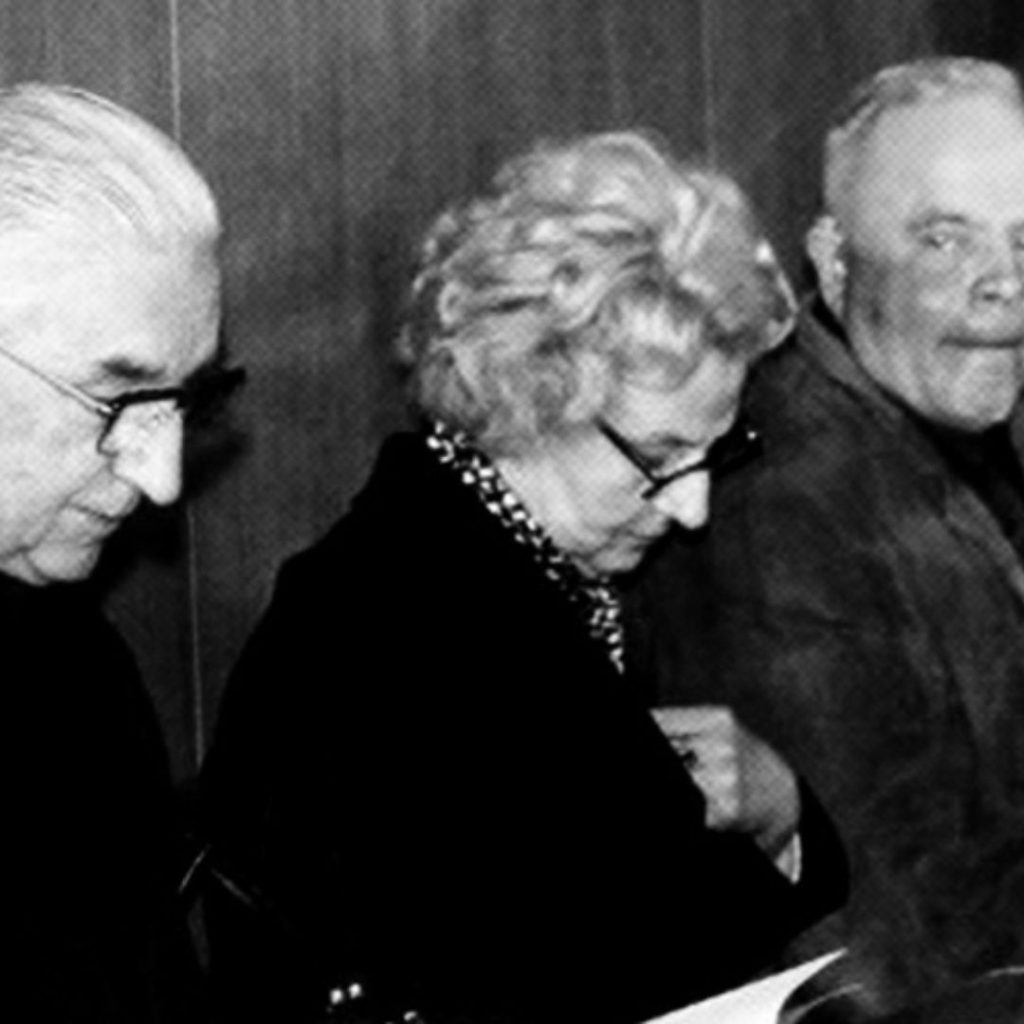
Anna Michel, mother of Anneliese, photographed during the 1978 trial in Germany. She faced charges of negligent homicide following her daughter’s death after months of exorcism.
Anneliese Michel trial
After Anneliese Michel’s death, legal authorities charged her parents and the two priests who performed the exorcisms with negligent homicide. The prosecution argued that the defendants failed to provide adequate medical care and nutrition, which directly contributed to her death. The case centered on whether the family’s and clergy’s actions crossed the line from religious faith into criminal negligence.
Defense in Possession Case
In their defense, the parents and priests maintained they genuinely believed Anneliese was possessed and that their actions were necessary to save her soul. They argued that the exorcisms were conducted in good faith and with the Church’s approval, framing the case as a conflict between religious conviction and medical responsibility.
Verdict and Its Impact on Religious Freedom and Medical Ethics
The court ultimately found the defendants guilty but handed down suspended prison sentences, taking into account their sincere beliefs and intentions. The verdict ignited international debate about the limits of religious freedom, the responsibilities of medical and spiritual caregivers, and the ethical boundaries of exorcism.
Psychological and Medical Analysis of Anneliese Michel’s Case

Anneliese Michel captured during a moment of severe psychological and physical breakdown amid the exorcism period—reflecting the intense suffering at the center of her controversial case.
The case of Anneliese Michel highlights the complex interplay between neurological disorders and mental health, particularly in the context of deeply held religious beliefs. Medical experts have widely agreed that Anneliese suffered from temporal lobe epilepsy, a form of epilepsy known to cause seizures accompanied by intense emotional and sensory experiences. This condition can sometimes trigger hallucinations and altered states of consciousness, which may be mistaken for spiritual or supernatural phenomena.
Psychosis and Possession
In addition to epilepsy, some psychiatrists have suggested that Anneliese may have experienced psychosis or a severe schizophrenic disorder, both of which can include symptoms such as auditory hallucinations, delusions, and disorganized behavior. These psychiatric conditions could explain many of the behaviors attributed to possession, including hearing voices and responding to unseen stimuli.
Religious Delusions in Mental Health
Religious delusions—a psychological phenomenon where spiritual or supernatural beliefs become intertwined with mental illness—likely played a significant role in shaping Anneliese’s interpretation of her symptoms. The strong influence of her Catholic upbringing and her family’s faith possibly reinforced these delusions, complicating the distinction between medical illness and religious experience.
Anneliese Michel Medical Analysis
This intersection of epilepsy, psychiatric disorders, and religious belief continues to challenge both medical professionals and theologians, underscoring the importance of comprehensive diagnosis and treatment in similar cases.
Cultural Legacy and Media Impact

Promotional poster from Anneliese: Exorcist, a film based on the real-life case of Anneliese Michel. The movie dramatized the legal and spiritual conflicts surrounding claims of demonic possession.
The exorcism of Anneliese Michel has left a lasting mark on both popular culture and religious discourse. Her story inspired several films, most notably The Exorcism of Emily Rose (2005), which dramatizes the events surrounding her possession and trial. Other works, such as the German film Requiem (2006) and numerous documentaries, have further explored the blurred lines between faith, mental health, and the supernatural in her case.
Pilgrimage to Anneliese Michel Gravesite
Anneliese’s gravesite in Klingenberg has become a place of pilgrimage for many who view her as a martyr or spiritual figure, drawing visitors seeking to honor her memory or explore the mysteries of possession.
Mental Health vs Religious Faith Debate
Her case continues to fuel debates among medical professionals, theologians, and the public regarding the tension between mental illness and religious belief. It raises important questions about how society should address spiritual experiences that may have underlying psychological or neurological causes.
Final Thoughts on the Exorcism of Anneliese Michel

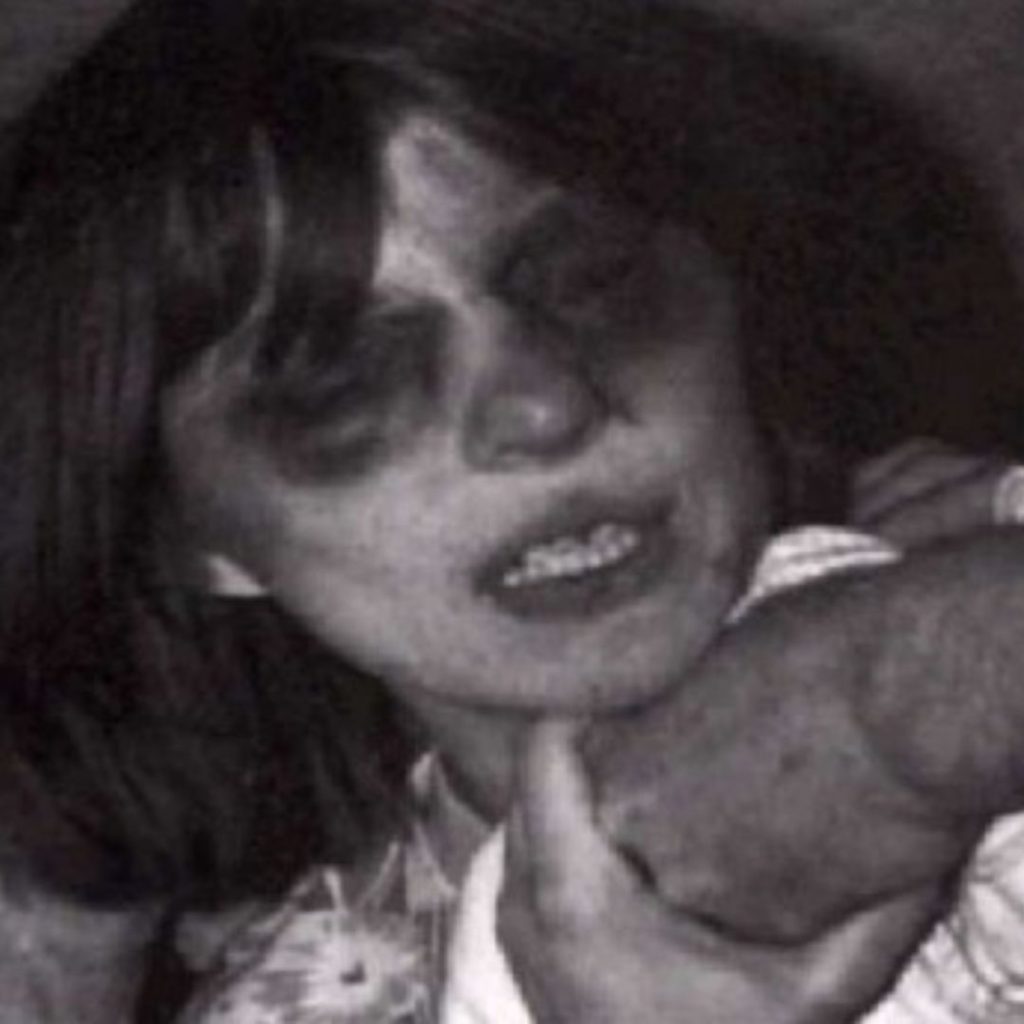
Anneliese Michel during a moment believed by her family and priests to show signs of demonic possession—an interpretation later challenged by medical experts as symptoms of severe mental illness.
Anneliese Michel’s case remains a powerful example of the blurred line between mental illness and alleged possession. The debate over whether she was truly possessed or suffering from psychiatric disorders continues to spark ethical questions about the role of faith and medicine.
Her story has had a lasting impact on culture, religion, and medical ethics. This full case study has provided an inside look at the complexities and controversies surrounding her exorcism, explaining why it remains so compelling today.


